


Categories
- Case Study (12)
- Industrial Building (4)
- ESG (24)
- Fit-Out (3)
- News (56)
- Interior Architecture (11)
- Architecture (22)
- Office (45)
- Studio Alliance (24)
- History (2)
- Design (20)
- Technology (13)
- Artificial Intelligence (AI) (4)
Do you often have a headache at the office or feel your energy levels drop in the afternoon? The reason might not be your workload, as you might think. The air quality, CO2 levels, and thermal comfort of your workspace directly affect your capacity to focus, decision-making speed, and general health. Research shows that poor indoor air quality reduces employee performance and increases feelings of fatigue. So, is your office truly supporting you, or is it slowing you down without you noticing?
In this article, based on the WELL module discussed in the Studio Alliance PlaceX training in recent weeks, we examine how air quality, thermal comfort, and material choices directly impact office performance.
One of the most critical factors reducing productivity in the office often goes unnoticed: the air.
Poor indoor air quality leads to:
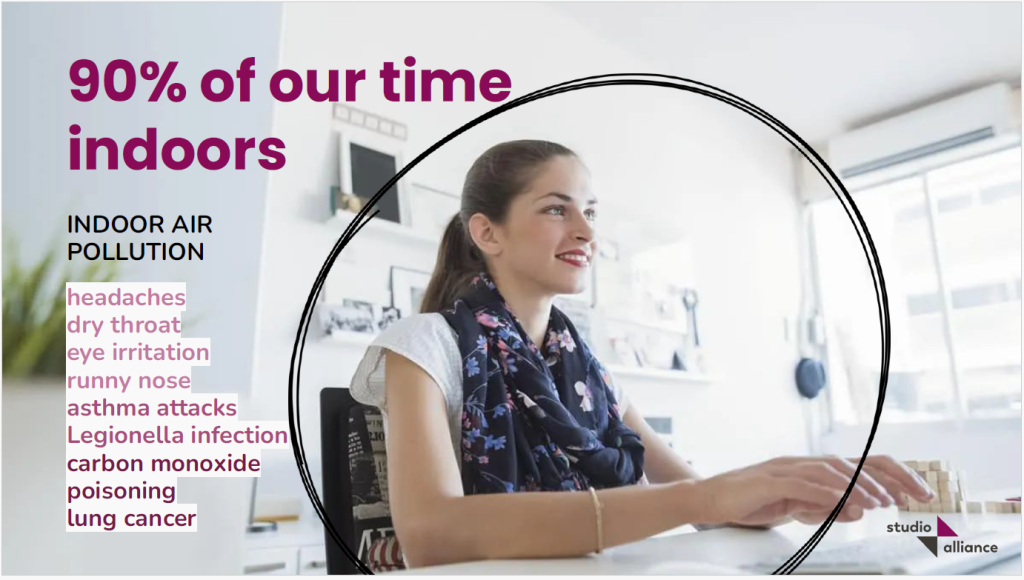
It is no coincidence that everyone feels sleepy after a while in a meeting room.
The reason is often high CO2 levels.
For this reason, CO2 sensors in today's offices are not just technical equipment; they are also becoming a behavior management tool.
A common mistake in office design is evaluating density solely based on area.
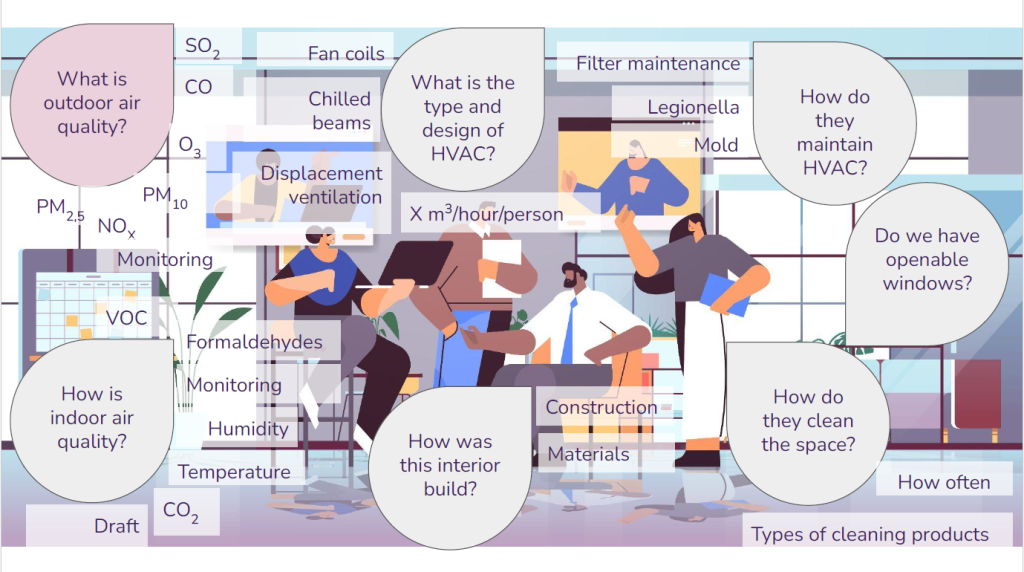
The reality is this:
Aynı hava ne kadar çok kişi tarafından paylaşılırsa, performans o kadar düşer.
The more people who share the same air, the more performance drops. Therefore, the density decision directly affects:
Today's successful offices are establishing density strategies that aim for maximum performance instead of fitting the maximum number of people.
One of the most debated topics in offices is:
"It’s too cold / too hot in here."
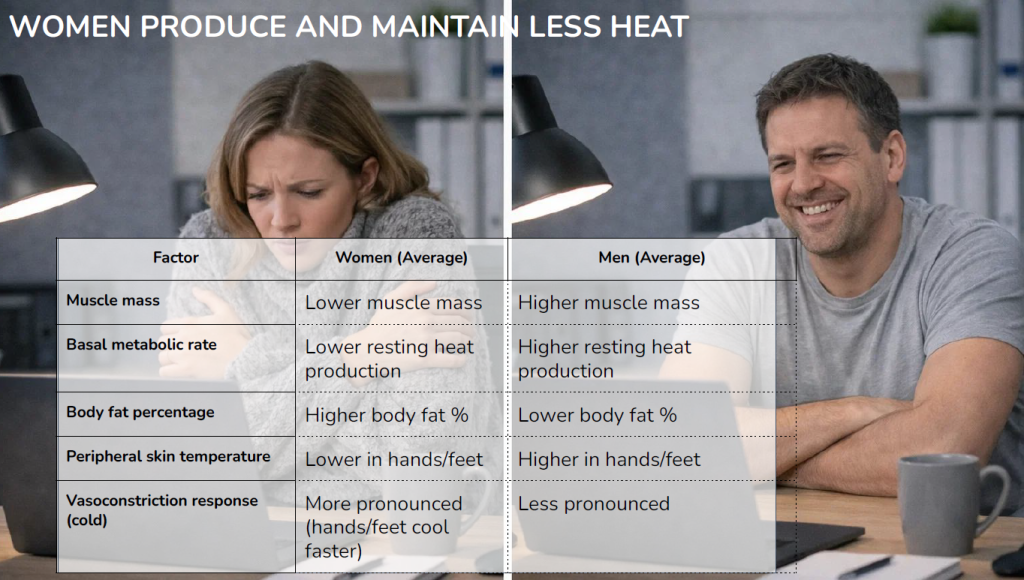
Thermal comfort depends on many factors such as:
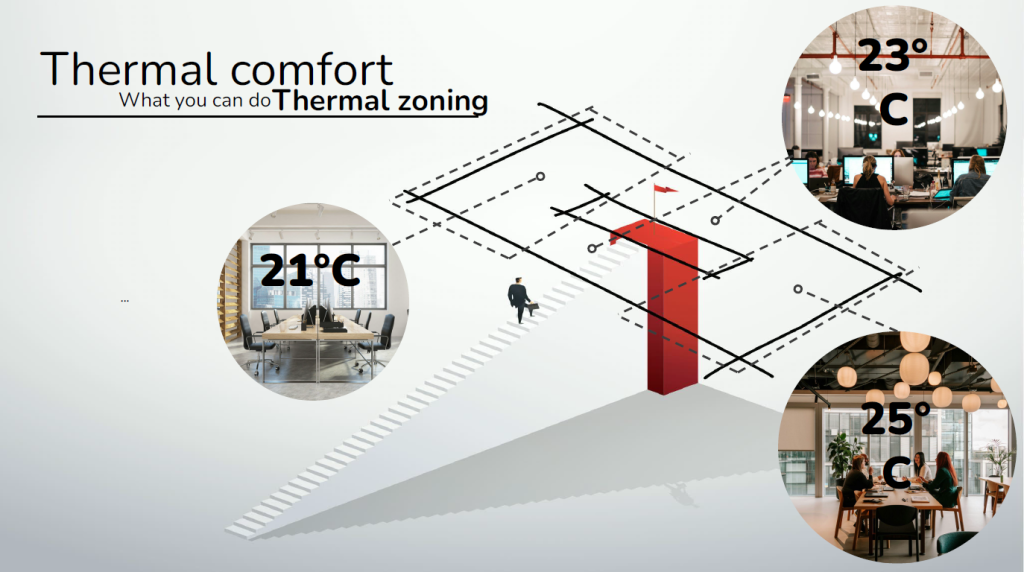
The correct approach in new-generation offices is:
The goal is not to gather everyone at the same point, but to ensure everyone can choose the environment that suits them.
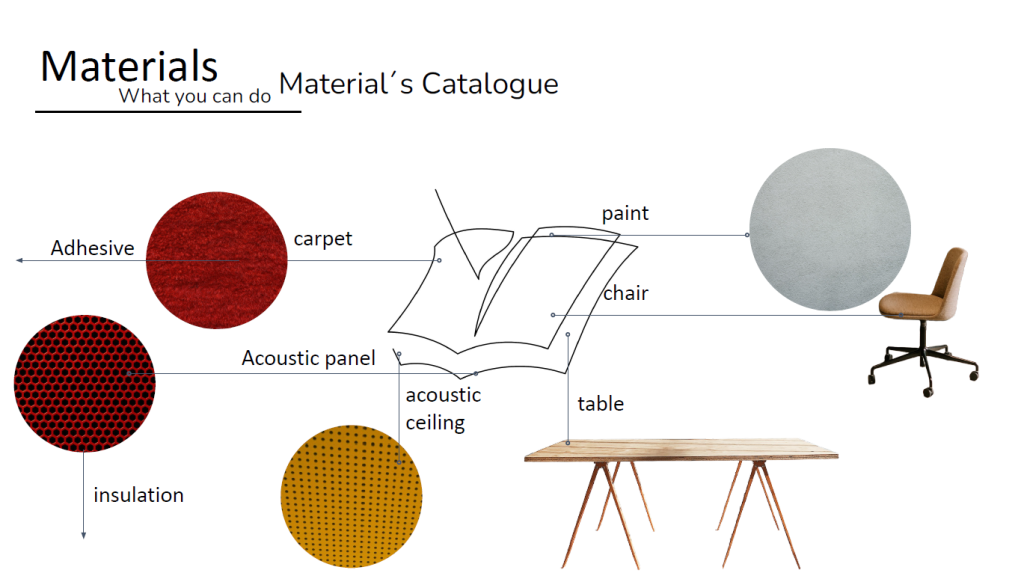
Materials used in an office are not just visual decisions.
In fact, they directly affect:
In particular, VOCs (Volatile Organic Compounds) are one of the most critical risks in new offices.
A material might look aesthetic but could be detrimental to your health.
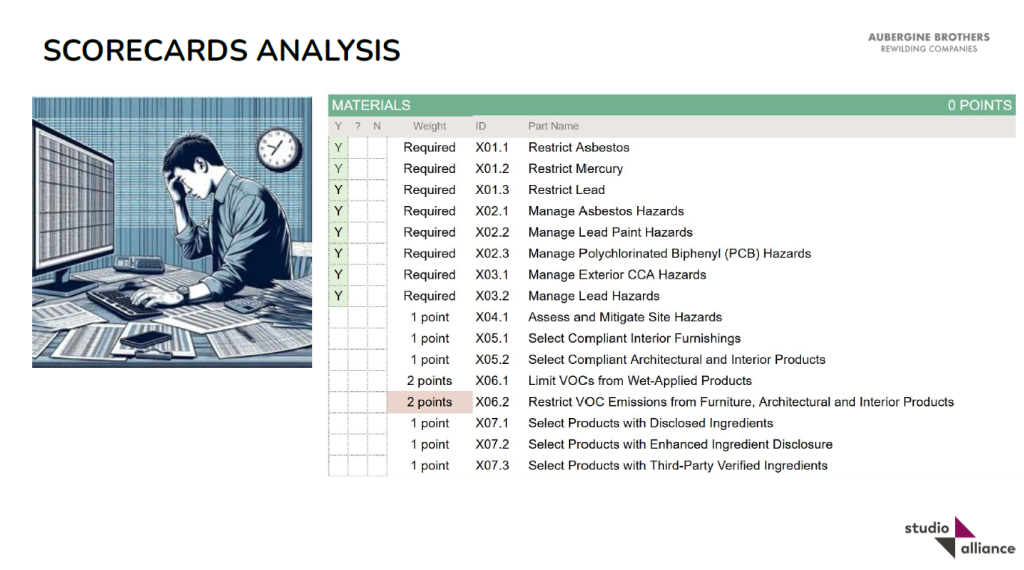
The WELL approach says:
"Sustainability without documentation is not sustainability."
Even the best design can fail with incorrect implementation.
Risk points:
Therefore, the WELL approach covers not only design but also implementation and operation processes.
Similarly, cleaning processes are critical:
Research shows that employees now use the office for a different purpose:
Companies, however, still mostly design offices for collaboration.
This gap explains why new-generation offices can fail.
The office is now competing with the home. And the winner of this competition will be the offices that offer:
WELL is much more than a certification system:
The essence of this approach is:
Offices are not just places where work is done; they are systems that shape human performance.
The most critical transformation for today's offices is this:
Human-centric design is no longer a "trend," but a necessity.
Elements that remain in the "background, such as air, temperature, and materials, directly determine:
The WELL approach takes this process out of the realm of intuition and makes it measurable, manageable, and strategic.
You can find our previous PlaceX trainings below
What Is Togetherness? Strengthening Collaboration in Hybrid Work


