



Categories
- Case Study (12)
- Industrial Building (4)
- ESG (26)
- Fit-Out (3)
- News (60)
- Interior Architecture (11)
- Architecture (22)
- Office (46)
- Studio Alliance (26)
- History (3)
- Design (20)
- Technology (13)
- Artificial Intelligence (AI) (5)
Industrial buildings have long been defined solely by their production-focused functions. Tall chimneys, vast storage areas, spaces filled with the rhythm of heavy machinery... These images were the first scenes that came to mind when thinking of industry. However, today it has become inevitable that production facilities are viewed not only in terms of efficiency, but also in terms of corporate identity, social impact and user experience.
Architecture offers a powerful tool that transcends functionality at this point. Modern factory and industrial buildings are now designed as showcases representing a brand's image. Façade designs, material selections, landscaping, or interior organisation have become a reflection of culture, sustainability, and a vision for the future, as much as production itself.
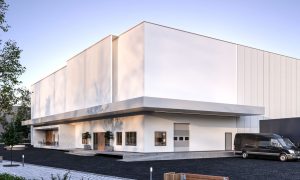
Bir endüstri yapısının ilk izlenimi, cephe tasarımıyla şekilleniyor. Betonun katılığı, camın şeffaflığı, çeliğin dayanıklılığı ya da ahşabın sıcaklığı… Her malzeme farklı bir mesaj iletiyor. Modern endüstriyel mimaride artık yalnızca dayanıklılık değil, aynı zamanda sürdürülebilirlik ve kurumsal duruş da ön planda. Şeffaf cepheler, üretim sürecini gizlemek yerine sergiliyor; doğal malzemeler ise çevreyle uyumlu bir birliktelik kuruyor.
Endüstriyel yapılar yalnızca makineler için değil, insanlar için de tasarlanıyor. Çalışma ortamlarında gün ışığının içeri alınması, hava kalitesinin artırılması, ortak alanların düşünülmesi; verimliliği doğrudan etkileyen unsurlar. İnsan odaklı tasarım, artık fabrikaların en kritik bileşenlerinden biri haline geldi.
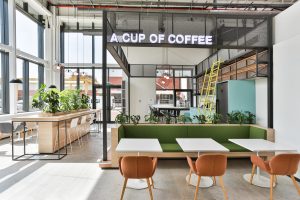
Factories can now contribute to the city not only as smoke-belching chimneys, but as focal points that add value. Showrooms open to visitors, exhibition areas explaining production processes, social spaces serving the community... This integration allows industrial architecture to carve out a new place for itself in both the urban memory and social life.
Energy efficiency, recyclable materials, waste management and green roof applications are no longer optional, but are becoming standard. Industrial buildings are taking responsibility not only for production, but also for the future, by offering environmentally friendly solutions that reduce their carbon footprint. This approach is emerging as one of the strongest components of architectural identity.
This project undertaken by Diem demonstrates that an industrial area can be not only a production facility but also a centre focused on innovation and research. While transparency and openness are prominent in the interior design, the integration of different functions (R&D, offices, laboratories) highlights the organisation's innovative identity.
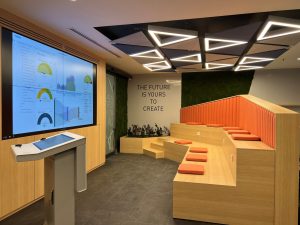
One example that breaks the perception of the factory as merely a closed box surrounded by walls. An approach was adopted that integrates with its surroundings through landscaping and open spaces. This design language makes the structure a more liveable space for employees and a more inviting place for the city.

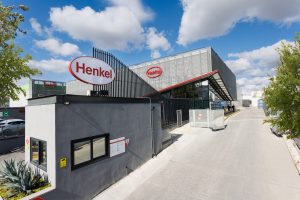
In projects carried out for Henkel, production areas and management functions were addressed together. The focus here was not only on increasing efficiency, but also on bringing the corporate culture into the space. Management offices are located close to the production facility, facilitating workflow and reinforcing the emphasis on transparency and collaboration. Henkel's global brand identity is reflected in the façade design and interior design in a modern, clear and user-friendly language.
BASF projects combine the high-tech focus of the chemical industry with architecture. The transparency, functional flexibility and technology integration that characterise the designs support the company's research and development culture. The co-location of laboratory and production areas strengthens interdisciplinary collaboration. BASF's innovative identity is evident in the façade materials, interior design and organisation of workspaces.
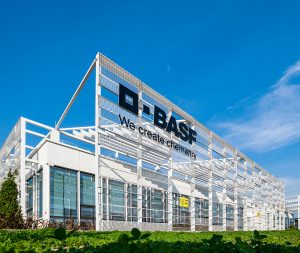
Industrial buildings now stand out not only for their production capacity but also for the values they represent and the meaning they add to society. Every detail that contributes to identity—material selection, façade design, sustainability strategies, or spaces focused on the employee experience—is shaping the industrial architecture of the future. To see this transformation up close and discover Diem's approach to industrial building design, click here.


