Categories
- Case Study (12)
- Industrial Building (4)
- ESG (26)
- Fit-Out (3)
- News (60)
- Interior Architecture (11)
- Architecture (22)
- Office (46)
- Studio Alliance (26)
- History (3)
- Design (20)
- Technology (13)
- Artificial Intelligence (AI) (5)
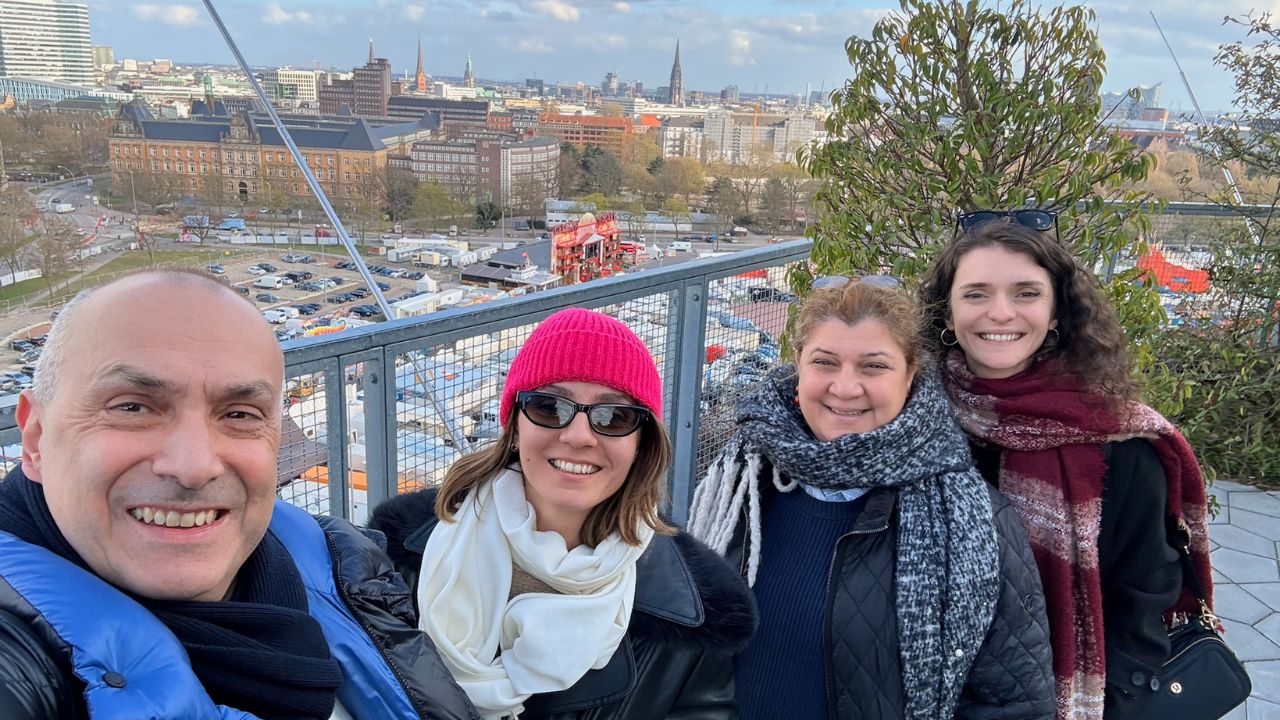
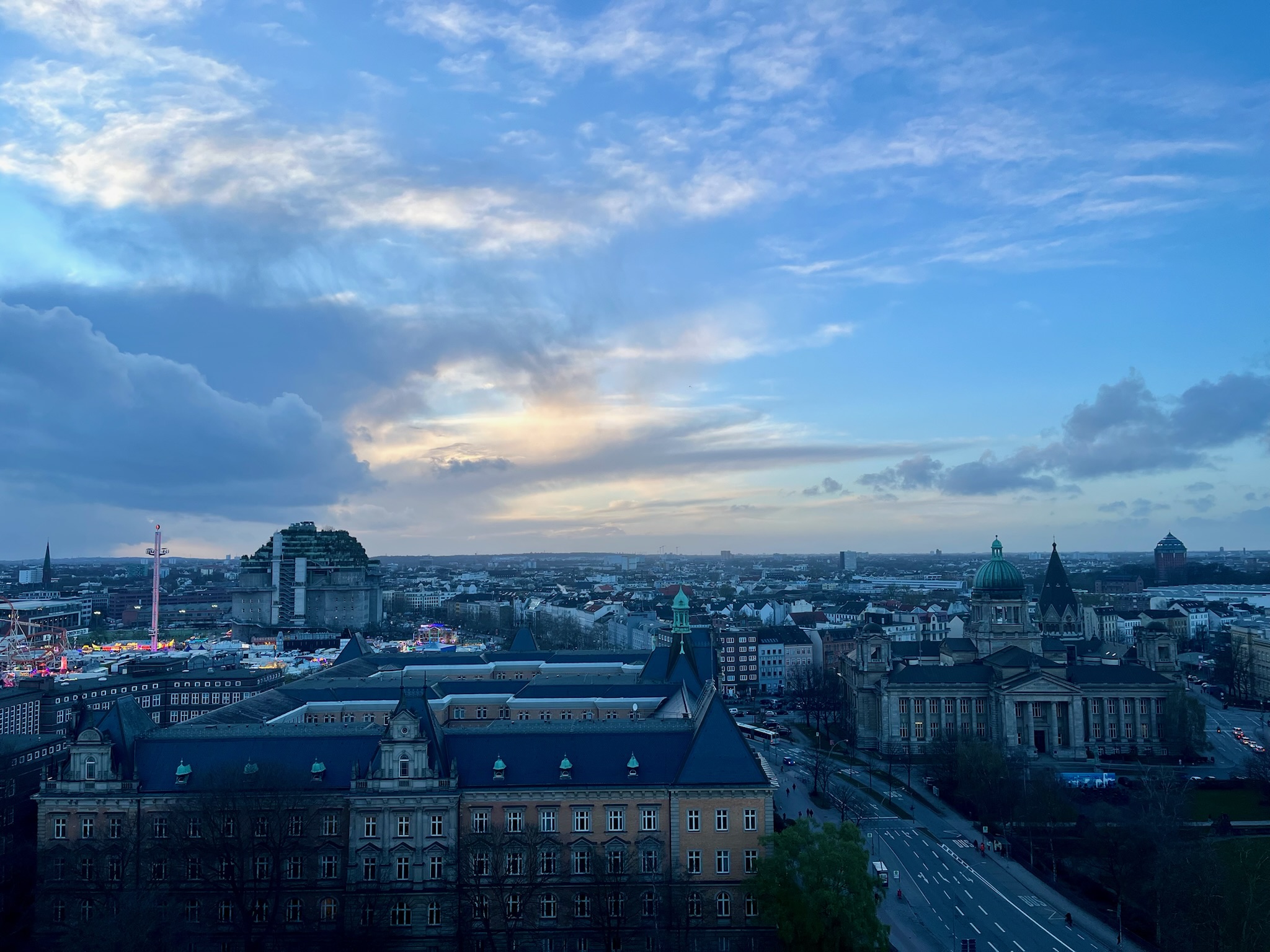
Last week, on March 25–26, we were in Hamburg for the first Studio Alliance gathering of 2026. Bringing together office design and fit-out professionals from across Europe, the event proved to be highly productive, offering both inspiring content and a strong networking environment.

The first day began in the afternoon with a visit to the Circle showroom. The presentations, built around the concept of “Tomorrow’s Office Spaces,” offered inspiring insights into the future of workplaces. Topics such as evolving work habits, flexibility, user experience, and the integration of technology into space created a strong foundation for rethinking the office of tomorrow.
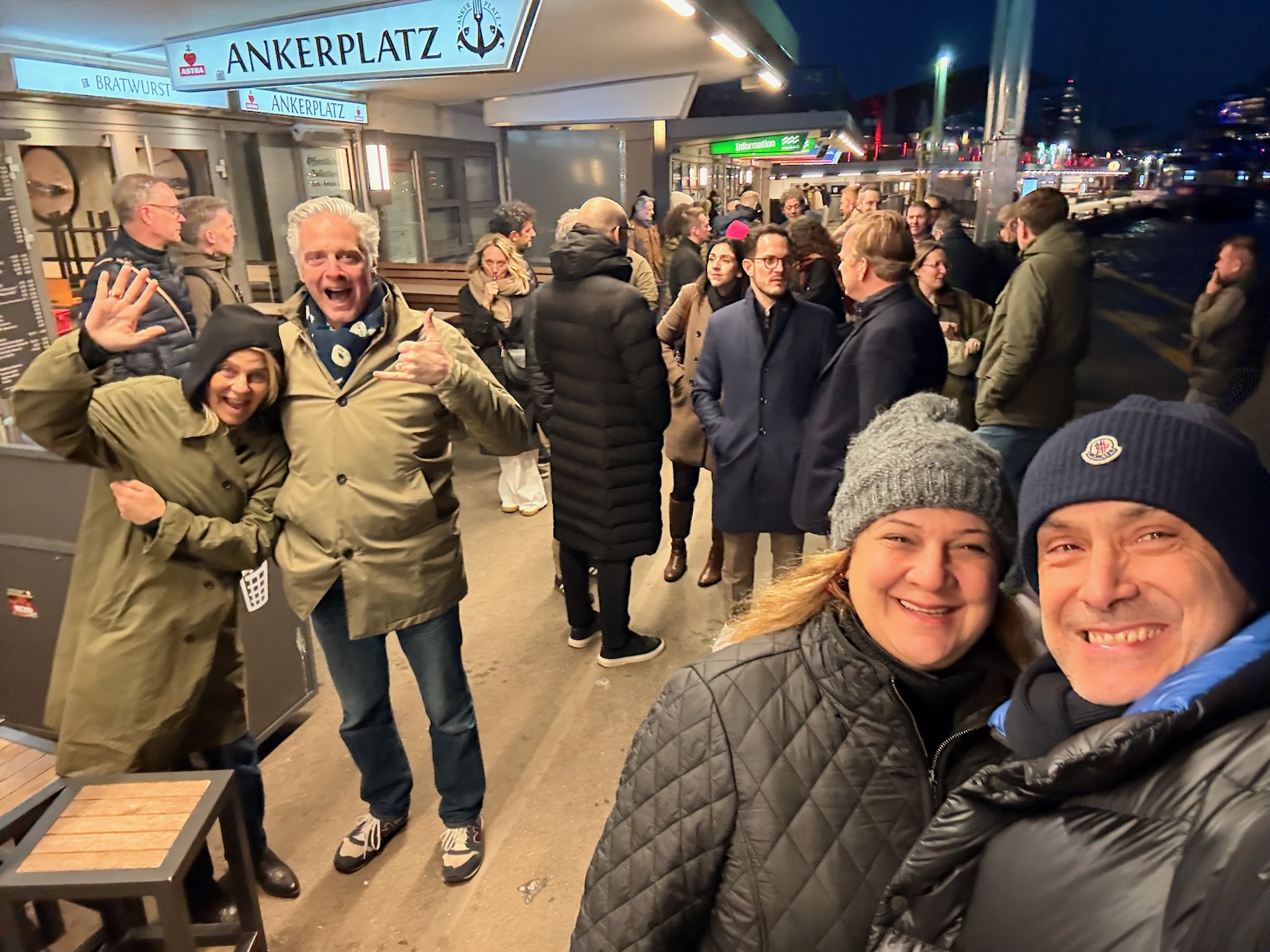
Following the visit, we attended a welcome cocktail hosted at our Hamburg partner apoprojekt’s office.
The evening started with an office tour and quickly evolved into a warm and engaging atmosphere. A curated gin tasting and carefully prepared snacks turned the day’s fatigue into enjoyable conversations.
One of the most valuable aspects of the evening was the opportunity to exchange ideas with office professionals from 18 different European countries. Listening to experiences from various markets and discussing shared challenges and opportunities allowed us to gain a broader perspective on the industry.
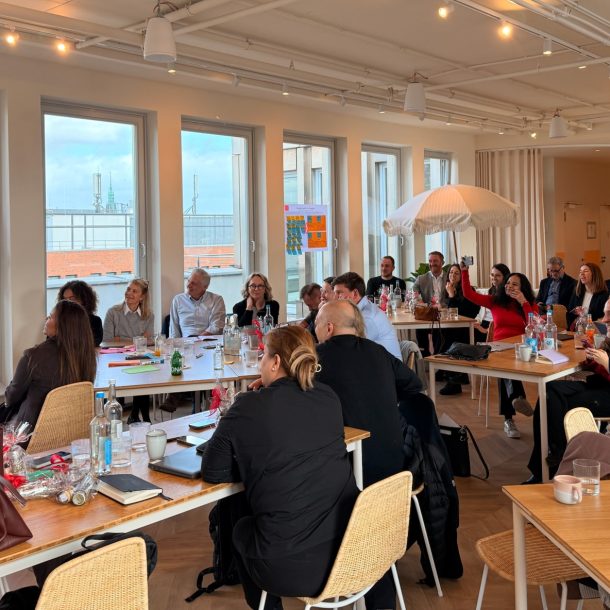
The conference day was rich in content and highly insightful. Presentations by partners from different countries highlighted current developments in the sector and offered valuable perspectives on the future.
A presentation by a partner delivering projects on an international scale was particularly noteworthy, especially in terms of digital processes and project management approaches used in large-scale office projects. Sharing experiences from different geographies once again emphasized the importance of thinking globally.

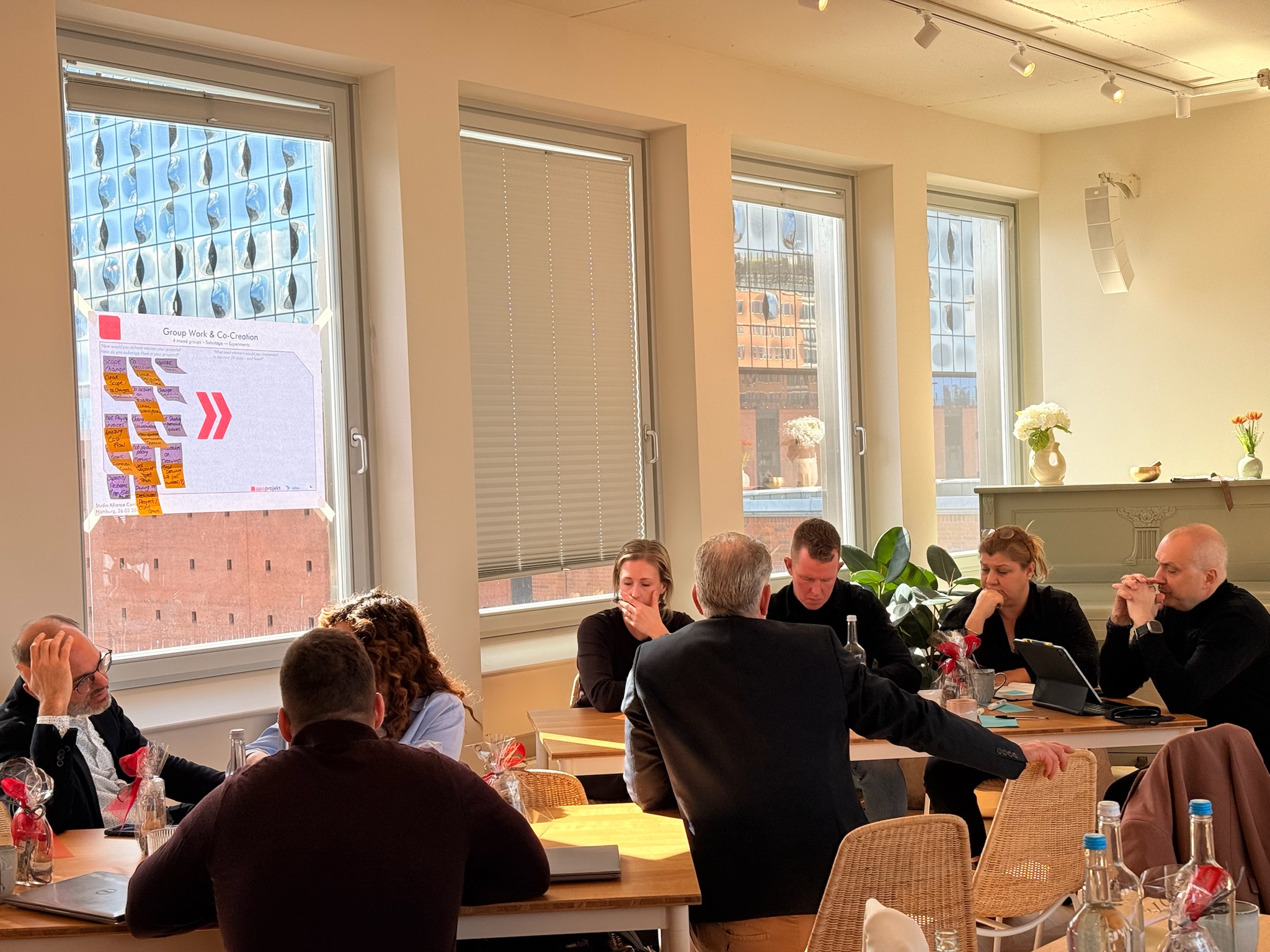
One of the most impactful parts of the day was the Lean Management workshop.
Structured in a highly interactive way, the session demonstrated how processes can be improved through a simple game setup. Experiencing how small changes can accelerate workflows, reduce chaos, and minimize team stress proved to be both insightful and practical.
You can learn more about the workshop here.
Another highlight of the day was the presentation by a newly joined partner in our network. Their strong approach to large-scale office projects and technology integration stood out.
The integration of digital tools into design and implementation processes was emphasized as a key factor in increasing efficiency and quality. These approaches provide important clues about the future direction of the industry.

One of the standout topics of the event was the presentation delivered by the apoprojekt ESG team.
The session focused on integrating sustainability criteria into projects, reducing environmental impact, and embedding ESG principles into business processes. It also touched on the impact of current global economic conditions on ESG investments.
Despite these challenges, it was clearly emphasized that ESG will remain a critical focus for the industry in the long term.
Another key theme throughout the program was digitalization.
The introduction of next-generation platforms demonstrated how workflows can be managed in a more integrated, transparent, and efficient way. It also highlighted that technology is no longer just a supporting tool, but a central component of processes.

One of the most discussed topics during both presentations and one-on-one conversations was the transformation of the office sector.
While a certain slowdown in office projects across Europe was acknowledged, it became clear that the most adaptive companies are diversifying their portfolios by shifting toward different sectors. Hospitality, education, mixed-use developments, and experience-driven projects are emerging as key areas in this transformation.
At this point, companies with strong office expertise seem to approach these new sectors with greater awareness and confidence. The ability to understand user experience, spatial organization, and operational needs provides a significant advantage across different segments.
Rather than a contraction, this shift can be seen as an evolution—creating new opportunities within the industry.
On the final day of the event, we visited an active construction site in the morning.
This visit provided the opportunity to observe Lean Management principles in practice, following the concepts discussed in the previous day’s workshop. We examined firsthand how processes are planned, workflows are optimized, and coordination between teams is ensured.
Seeing these methods implemented so clearly and systematically on site made the benefits of the lean approach much more tangible.
This experience offered valuable insights, particularly in terms of efficiency, time management, and team coordination in construction processes.

The Hamburg meeting was not only about knowledge sharing but also an opportunity to observe the ongoing transformation in the industry firsthand.
Engaging with professionals from different countries helped us gain new perspectives, while the workshops and presentations provided a strong foundation for re-evaluating our current ways of working.
We would like to extend our sincere thanks to the apoprojekt team for hosting this successful event.
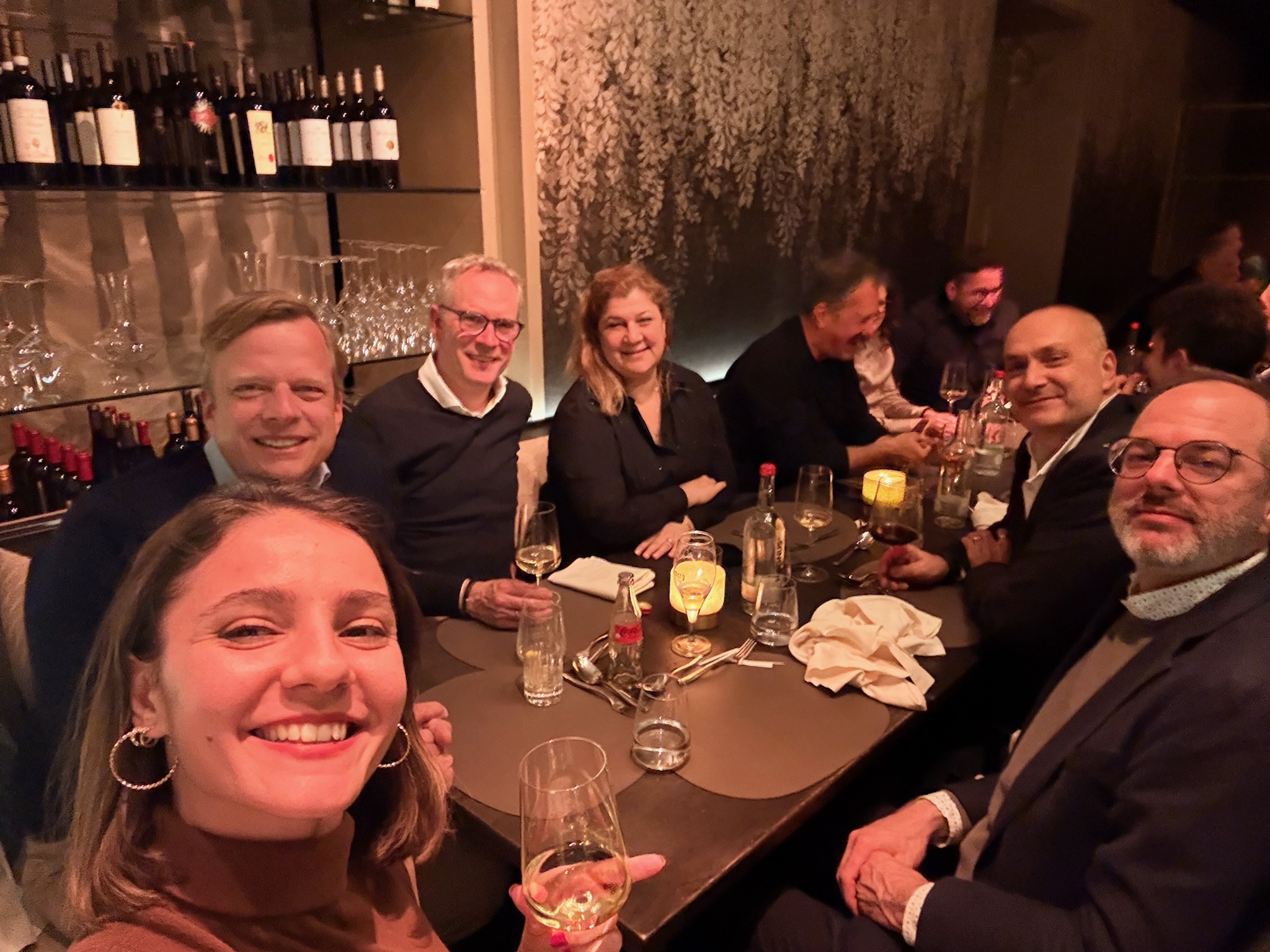
They welcomed us in a highly professional, thoughtful, and warm atmosphere. The accommodation, meeting environment, and overall organization quality were truly impressive. The selected restaurants, activities, and gifts also made the experience unforgettable.
Once again, we would like to thank them for this inspiring and enjoyable gathering in Hamburg.