


Categories
- Case Study (12)
- Industrial Building (5)
- ESG (28)
- Fit-Out (3)
- News (61)
- Interior Architecture (11)
- Architecture (24)
- Office (51)
- Studio Alliance (28)
- History (3)
- Design (22)
- Technology (15)
- Artificial Intelligence (AI) (5)
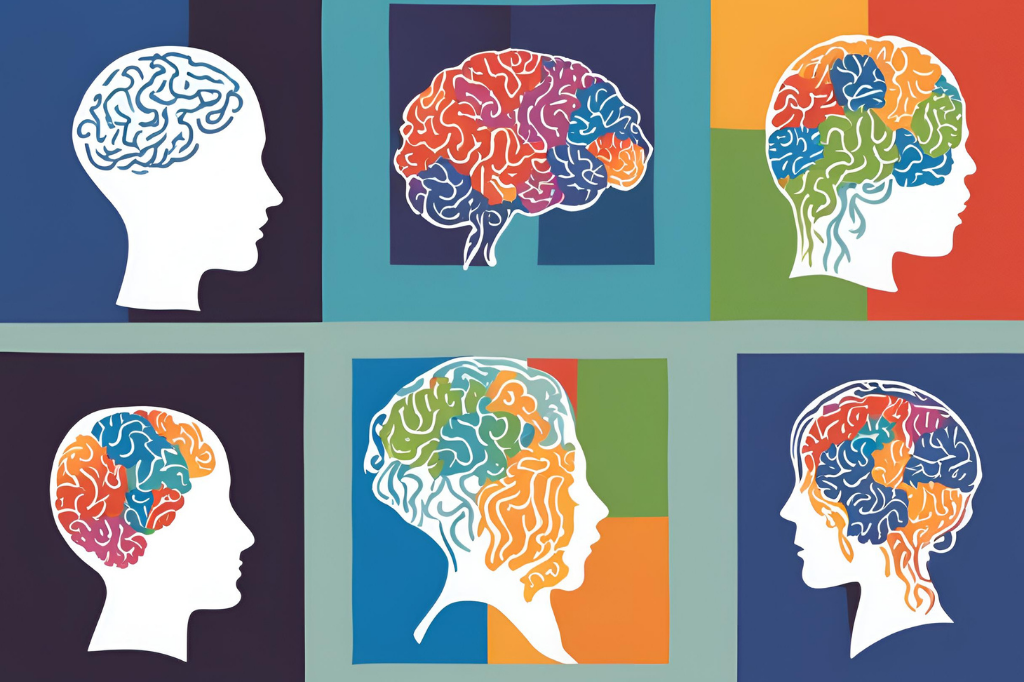
Creating spaces that support sensory and cognitive diversity is no longer an option, but a necessity in the modern design world. Neurodiversity covers a broad spectrum including conditions such as autism, ADHD and dyslexia. Meeting the unique needs of these individuals is not only an ethical responsibility, but also an opportunity for innovation and success.
Nöroçeşitlilik dostu bir ortam yaratmak, bireylerin iş yerlerinde rahatlıkla çalışabilmesi, üretkenliğin artırılması ve çalışan memnuniyetinin sağlanması için temel bir adımdır. Araştırmalar, nöroçeşitliliğe sahip bireylerin yer aldığı ekiplerin %30’a kadar daha üretken olabileceğini gösteriyor. (Kaynak) Bunun nedeni; detaylara dikkat, yaratıcı problem çözme ve özgün düşünce gibi özelliklerin bu bireylerde daha belirgin olmasıdır.
Aynı zamanda, nöroçeşitlilik odaklı şirketler, daha yüksek çalışan bağlılığı ve düşük iş gücü kaybı oranlarıyla dikkat çekmektedir. Örneğin, ABD’nin en kapsamlı otizm işe alım programları, %90’ın üzerinde çalışan elde tutma oranları bildirmiştir. (Kaynak)
Design for neurodiversity puts the sensory needs of individuals at the centre. This understanding is shaped by the principles listed below:
Inclusive design not only improves the well-being of individuals, but also offers many advantages for organisations:
As Diem Mühendislik Mimarlık, we believe that inclusive design is not just a trend, but a necessity for the workplaces of the future. Neurodiversity allows not only individuals but the whole team to perform better. We continue to work to design spaces that support diversity, take into account sensory needs and make everyone feel comfortable.
Let's take a step together to push the boundaries of inclusion and create spaces where everyone can realise their potential!


