



Categories
- Case Study (12)
- Industrial Building (5)
- ESG (28)
- Fit-Out (3)
- News (61)
- Interior Architecture (11)
- Architecture (24)
- Office (51)
- Studio Alliance (28)
- History (3)
- Design (22)
- Technology (15)
- Artificial Intelligence (AI) (5)
The concept of office has been intertwined with architecture as a part of changing and developing bureaucratic structures and social arrangements throughout history. The Ottoman Empire had a state structure in which the bureaucracy was centralised, and this structure also affected the buildings that functioned as offices. While bureaucratic affairs were carried out in the palaces, which were the heart of the empire, the concept of the modern office began to sprout in the 19th century. In this article, we will examine the office buildings of the Ottoman period and how they evolved into office buildings in modern Turkiye.
One of the most important places where state affairs were conducted during the Ottoman period was the Divan-ı Hümayun. This assembly, chaired by the Sultan, served as the central administrative unit of the empire. Divan-ı Hümayun, a part of the palace, functioned as a place where the state's top bureaucrats and counsellors gathered and where laws and administrative decisions were made. In a sense, this structure is one of the earliest examples of the office concept in the Ottoman Empire.
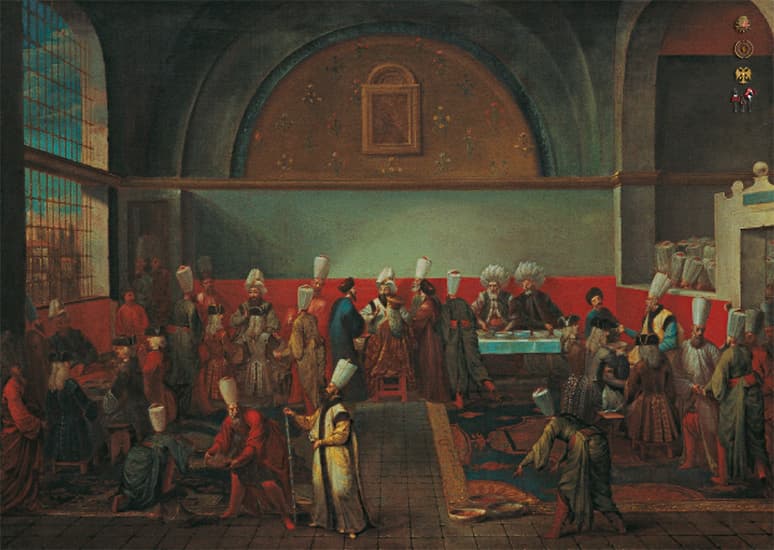
Divan-ı Hümayun
The architectural structure of the Divan-ı Hümayun consisted of large and flamboyant halls reflecting the splendour of the palace and smaller, functional rooms where correspondence was conducted. From an architectural point of view, these areas, where bureaucratic affairs were carried out in the Ottoman Empire, were built with an understanding that combines administration and aesthetics. The central function of the Divan-ı Hümayun also showed how the Ottoman bureaucracy worked in a disciplined structure.
As the Ottoman Empire grew, so did its administrative machinery. The increasing complexity of state administration led to more bureaucrats and the need for more office space. The offices within the palace housed various units of the imperial administration. Increasing diplomatic relations and trade activities in the Ottoman Empire, especially from the 18th century onwards, encouraged the construction of new office buildings.
During this period, buildings such as governor's mansions, military administration buildings and customs offices began to appear in important cities such as Istanbul. These can be considered as the first examples of office buildings in the Ottoman Empire in the modern sense. These buildings, where bureaucratic procedures were carried out, were remarkable both in terms of functionality and aesthetics. Especially in cities where diplomacy and trade were intensive, office buildings for civil servants reflected both the elegance and functionality of Ottoman architecture.
One of the most important steps in the transition to modern office architecture in the Ottoman Empire was taken with the Tanzimat Period. With the Tanzimat Edict (1839), the Ottoman Empire made major reforms in the field of administration and bureaucracy. As a result of these reforms, the need for modern office buildings for various organs of the state increased.
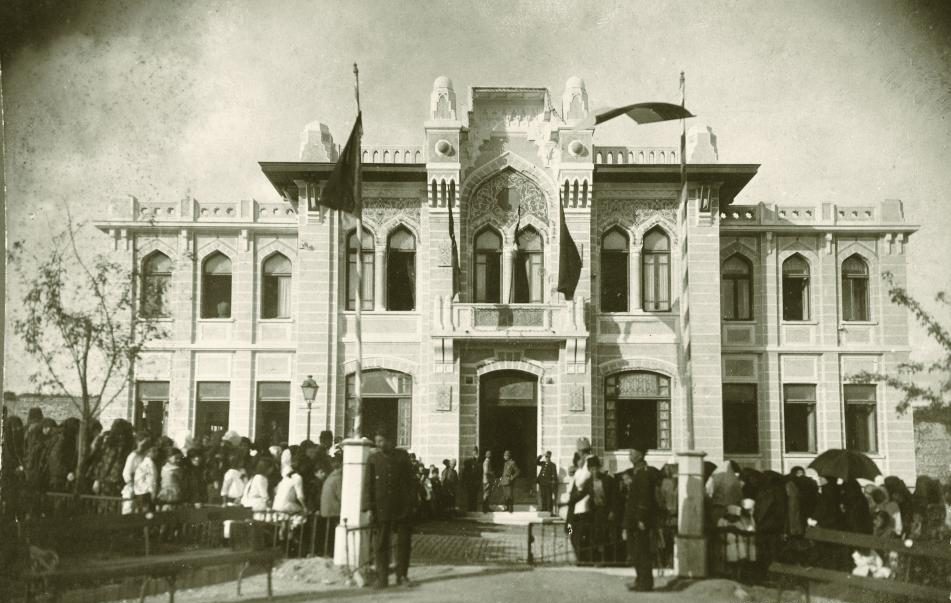
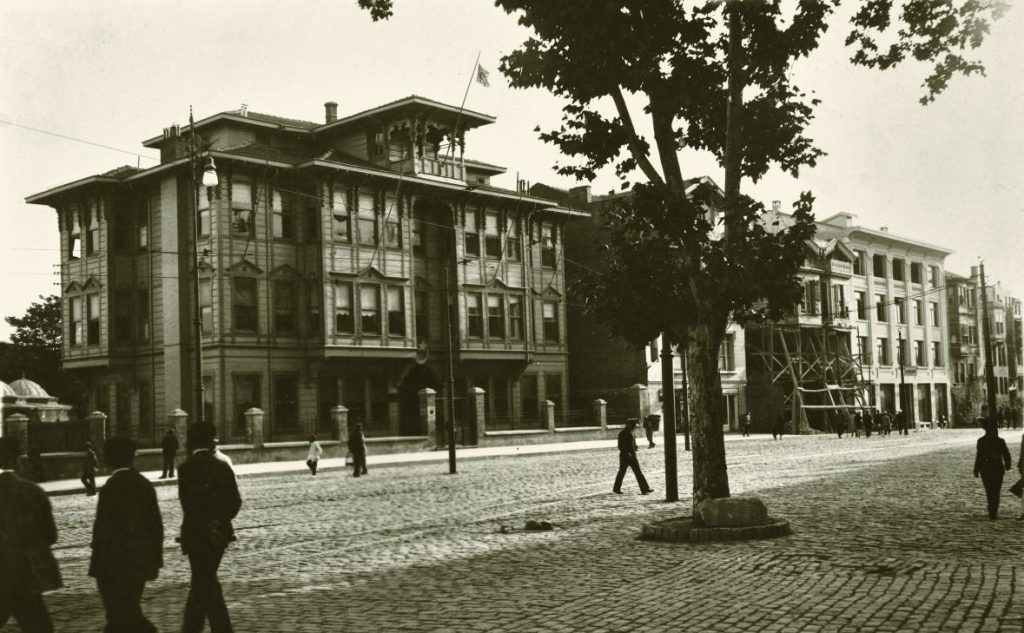
The various government offices built in Istanbul during this period were the first examples of modern office buildings in the Ottoman Empire. Babıali (The Sublime Porte), the region where the Ottoman seat of government was located, was the focal point of this modernisation. The buildings constructed here were now more inspired by western architecture, combining functionality with architectural aesthetics. The sections allocated for bureaucratic procedures were designed in accordance with the modern office concept and offered spacious and organised workspaces that would enable civil servants to work efficiently.
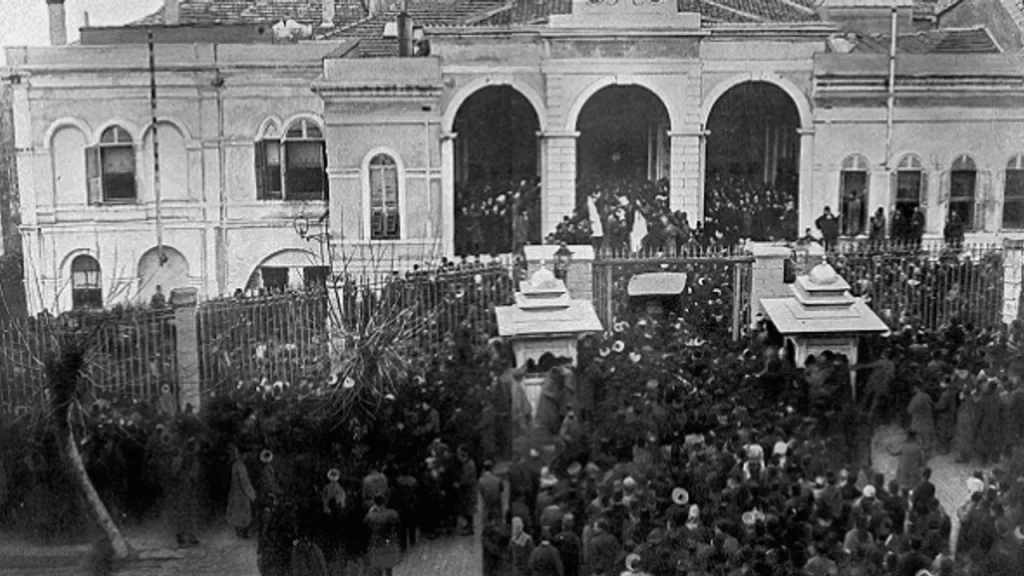
Babıali (Today Istanbul Governorate)
The modernisation movements that started in the last period of the Ottoman Empire gained a great momentum during the Republican period. Especially after the proclamation of the Republic in 1923, modern government buildings and office buildings were rapidly constructed in Turkiye. From the early years of the Republic, modern office buildings were constructed in Ankara to function as government offices and bureaucracy centres.
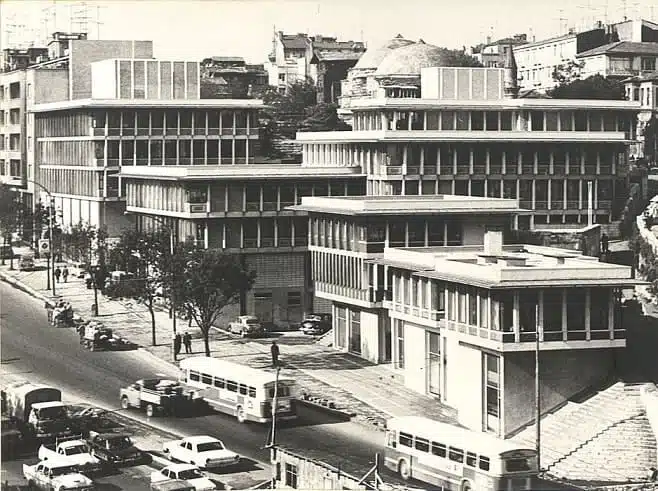
Zeyrek Social Insurance Institution Building / ISTANBUL
In this process, the architectural understanding was also completely orientated towards the West. Buildings were no longer constructed only for aesthetic purposes, but rather with functionality in mind. Public buildings in particular became symbols of the administrative mechanism of modern Turkiye. This transformation in office buildings reflected the modernisation ideals of the Republic. In terms of architectural style, simple and functional buildings reflected the dynamics of the new bureaucratic system in modern Turkey.
From the Ottoman Empire to the Republic, office architecture and bureaucracy developed intertwined. Starting from traditional administrative centres such as the Divan-ı Hümayun, the modernised office buildings of the Tanzimat Period reveal how the culture of bureaucracy and administration transformed in Turkey. The transition to Western-style modern office buildings with the Republic represents a new era in which functionality in state administration and bureaucracy came to the fore.
Today, office buildings in Turkiye are no longer just functional structures, but also examples of modern architecture integrated with sustainability and technology. This long journey from the Ottoman Empire to the present day shows how office architecture has evolved and developed in a historical context.


