


Categories
- Case Study (12)
- Industrial Building (5)
- ESG (28)
- Fit-Out (3)
- News (61)
- Interior Architecture (11)
- Architecture (24)
- Office (51)
- Studio Alliance (28)
- History (3)
- Design (22)
- Technology (15)
- Artificial Intelligence (AI) (5)
Offices are no longer merely spaces used for work; they are also transforming into areas where we find inspiration, socialise and express ourselves. One of the most important actors in this transformation is undoubtedly Generation Z. As this young generation, born after 1997, enters the workforce, their habits and expectations are beginning to shape office design. Although they sometimes clash with other generations, their innovative perspective is ushering in a whole new era in the business world.
When we talk about Generation Z, the first thing that comes to mind is a generation that has grown up immersed in technology. The internet, social media and mobile applications are a natural part of their daily lives. That's why speed, flexibility and creativity are essential for them. At the same time, they are not just chasing a salary or a title; they want to find meaning in their work, create value and develop themselves.
They have similar expectations in the office environment: rather than the standard desk-and-chair arrangement, they are drawn to open spaces that encourage collaboration, comfortable social corners, nature-inspired designs and sustainable solutions. In short, for Generation Z, the office should not merely be a workplace; it should be a living space where they feel a sense of belonging, find inspiration and can realise their potential.
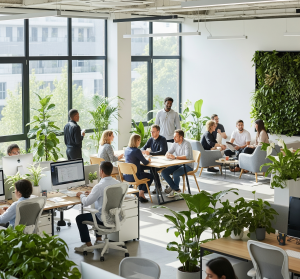
So, what does Generation Z expect from the office environment? We examined the results of our comprehensive survey with Generation Z employees as a case study. Based on this data, we looked at striking findings that shed light on future office designs and tried to understand the expectations of Generation Z.
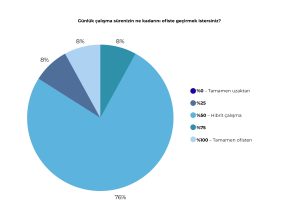
Anketimizin en dikkat çekici sonuçlarından biri, Z kuşağı çalışanlarının %75’inin hibrit çalışma modelini (%50 ofiste, %50 uzaktan çalışma) ideal bulması oldu. Bu oran, esnekliğin bu nesil için ne kadar önemli olduğunu açıkça gösteriyor. Tamamen uzaktan çalışmayı tercih edenlerin oranı %0 iken, tamamen ofiste çalışmak isteyenlerin oranı ise %8‘de kaldı. Bu beklenmedik sonuç, Z kuşağının ofisi tamamen terk etmek yerine, sosyal etkileşim ve iş birliği için bir merkez olarak görmeye devam ettiğini düşündürüyor. Belki de pandemiyle birlikte deneyimlenen tamamen uzaktan çalışma modelinin ardından, ofisin sosyal ve kültürel bağları güçlendirmedeki rolü daha çok takdir edilmiş olabilir.
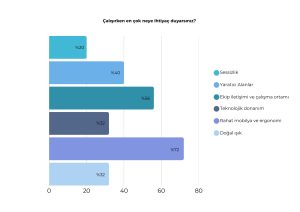
When it comes to productivity, Generation Z employees send a clear message: Ergonomics and technological equipment are essential. In our survey, when asked ‘What do you need most while working?’, comfortable and ergonomic furniture and up-to-date technological equipment ranked among the top responses. This shows that Generation Z values not only physical comfort but also an uninterrupted and productive work experience. The frequent mention of height-adjustable desks and acoustic solutions highlights how much attention this generation pays to the details of their work environment.
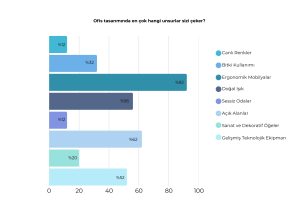
Our survey results reveal how important biophilic design is for employees. The vast majority of our employees stated that offices with natural light and enriched with plants increase motivation and make the working environment more enjoyable. This result shows that Generation Z, in particular, prefers offices that respond not only to functionality but also to aesthetic and psychological needs. The intensity of city life and its distance from nature are increasingly driving interest in design elements that integrate nature into offices.
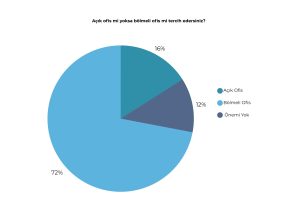
When it comes to office design, Generation Z employees offer a mixed response to the frequently debated question of ‘open-plan or cubicle-based offices?’. While more people generally prefer cubicle-based offices, the opportunities for socialising and collaboration offered by open-plan offices are also appreciated. However, another important point that emerged in our survey is that quiet, partitioned, and personal focus areas are also considered quite necessary. These areas provide not only privacy but also acoustic comfort. Solutions such as telephone booths, used especially for phone calls or one-on-one meetings, increase employee productivity. These responses show that Generation Z is open to collaboration but does not want to be disturbed when individual concentration is required. Striking a balance in office design is critical for productivity and employee satisfaction.
The importance placed on sustainability in our survey was also noteworthy. A large proportion of our employees stated that they support environmentally friendly and sustainable office designs. This shows that Generation Z is thinking not only about their own comfort, but also about the future of the planet. Unexpectedly, all employees who participated in the survey want to have a personalised space at work. This data clearly shows that Generation Z wants to strengthen their sense of belonging and shape the office according to their own style.
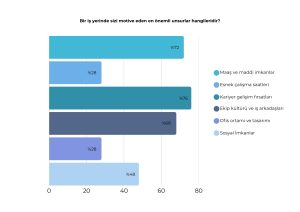
Although not directly asked in our survey, our observations and informal conversations indicate that Generation Z employees greatly value spaces that encourage social interaction and offer relaxation opportunities in offices. Facilities such as table tennis, game consoles or comfortable seating areas transform the office from being just a workplace into a social meeting point. This contributes to creating an environment that strengthens team spirit and encourages creativity.
This survey clearly demonstrates that the new generation's office expectations are multifaceted. For them, the ideal office is not just a functional space; it means a flexible, ergonomic and technologically equipped, integrated with nature, enabling both socialising and focus, sustainable and customisable living space.
It is now a clear fact that today's workplaces must be designed for their primary users: Generation Z employees. Because in the future, they will be the ones primarily working in these offices. Therefore, taking their expectations into account will not only increase employee satisfaction but also support companies' long-term competitive strength.
Generation Z constitutes today's and tomorrow's workforce; every investment made in their needs is actually the most valuable investment made in the future.
If you would like to explore the effects of generational differences on workplace design in more detail: “Workplace Designs Based on Generational Differences” you can take a look at our previous article.


