



Categories
- Case Study (12)
- Industrial Building (4)
- ESG (26)
- Fit-Out (3)
- News (60)
- Interior Architecture (11)
- Architecture (22)
- Office (46)
- Studio Alliance (26)
- History (3)
- Design (20)
- Technology (13)
- Artificial Intelligence (AI) (5)
Have you ever thought about how many hours a day you spend looking at a screen? Between notifications, emails, social media, and meetings, the digital world has taken over almost every aspect of our lives. This brings with it many problems, such as mental fatigue, concentration issues, and even social isolation. That is why a concept we have been hearing a lot about in recent years has entered our lives: digital wellness.Translated with DeepL.com (free version)
So what does this topic have to do with architecture?
Actually, it's very related.
Spaces can be one of the most powerful tools for balancing digital density and developing healthy habits. Every space we design shapes users' relationship with technology. In this article, we wanted to share some architectural ideas that support digital detox.
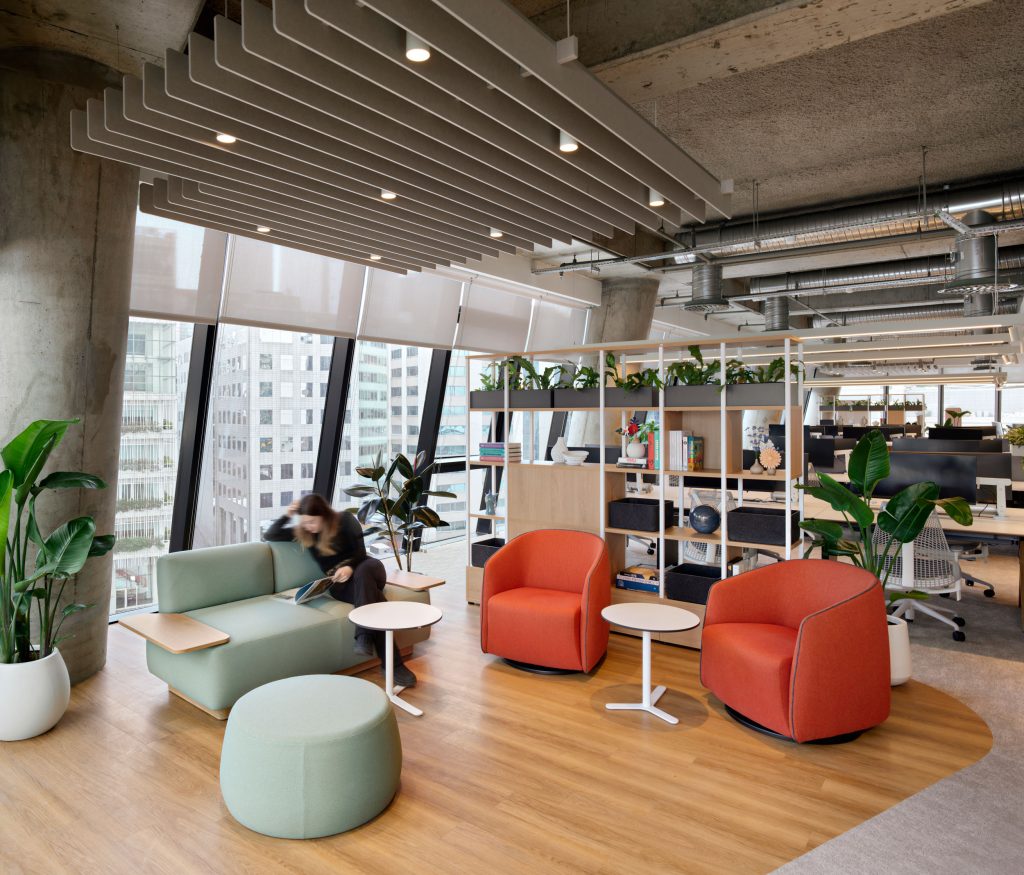
Creating ‘screen-free zones’ where people can stay away from digital devices in offices, educational facilities, or homes is a highly effective architectural strategy. These areas:
These types of functions should be supported not only by furniture layout but also by spatial separation (semi-open partitions, height differences, acoustic solutions).
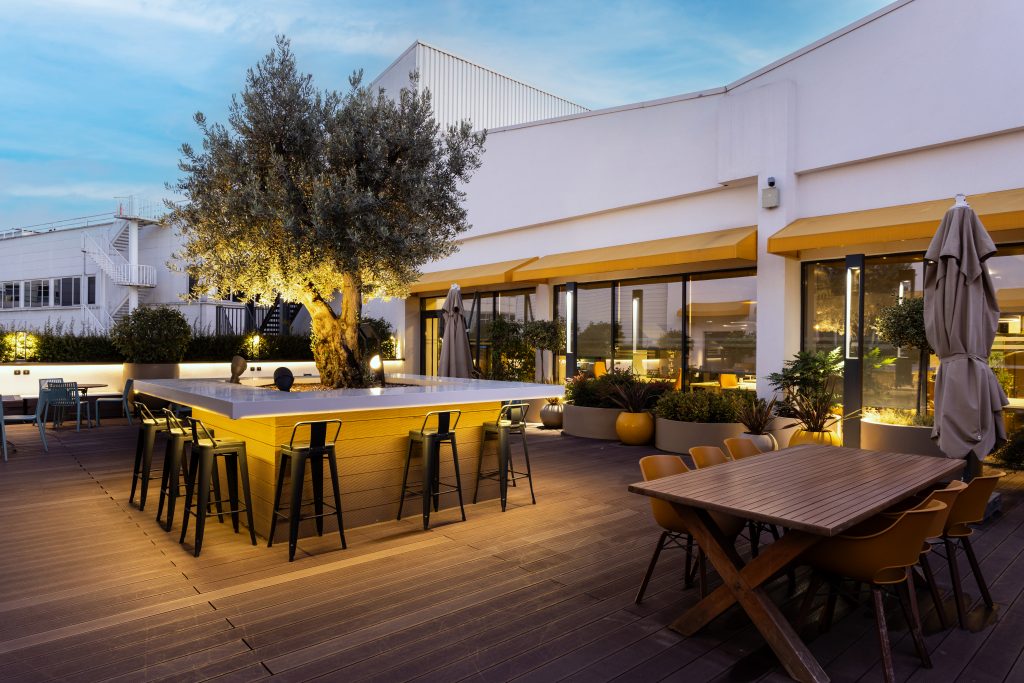
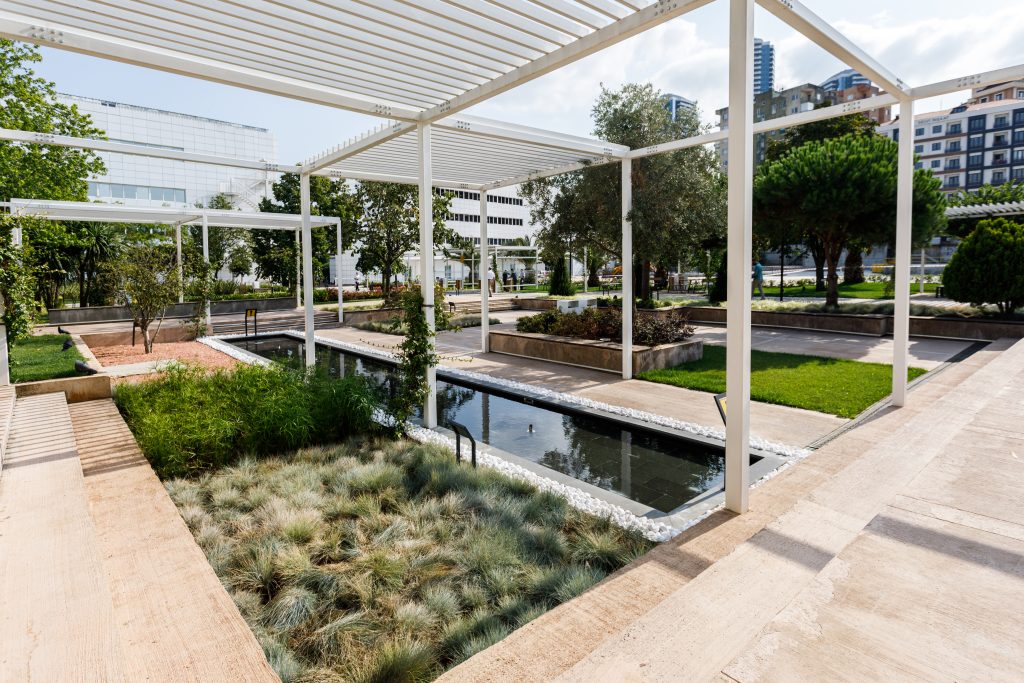
One of the most effective ways to reduce digital fatigue is to increase contact with nature. With the biophilic design approach;
bireyin doğayla bağını güçlendirerek ekranlardan uzaklaşmasına yardımcı olur. Diem olarak proje yaklaşımımızda bu tür malzeme tercihleri yalnızca estetik değil, aynı zamanda kullanıcı sağlığını gözeten birer karar olarak ele alınır.
The goal should not be to take an anti-technology stance in design, but rather to use technology in a balanced way. For example:
makes the user's relationship with digital tools more conscious. It is possible to establish this balance in our design decisions.
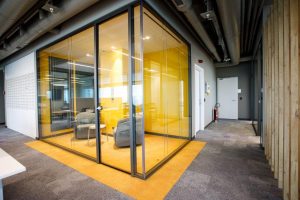
Noise pollution is one of the factors that increase digital fatigue. Design decisions that provide acoustic comfort – sound-absorbing materials, sections that reduce echoes in interior spaces, quiet circulation axes – contribute to the individual's digital detox process.
Furthermore, in architecture, ‘space’ is not just a functional void, but a mental breathing space. Designing simple, tranquil spaces rather than exaggerated designs plays an important role in helping individuals achieve inner peace.
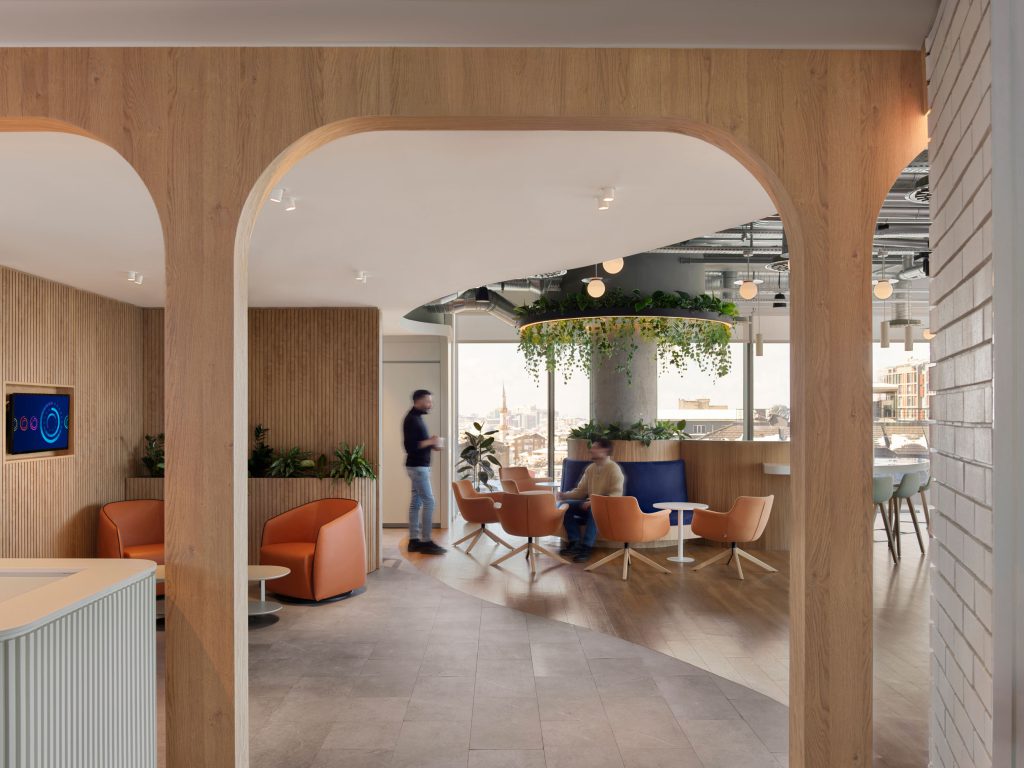
The rise in digital addiction is leading to social isolation. For this reason;
are areas where architecture contributes to social well-being.
Digital detox is not just an individual decision, but also a process that needs to be supported by properly designed physical environments. At Diem, we take a holistic approach to our projects that focus on human health and quality of life, addressing elements such as digital awareness, contact with nature, social connections and technological balance.
Good design is not just an aesthetic perspective, but also a tool that establishes balance in life.
👉🏻 You can find information about our projects.


