


Categories
- Case Study (12)
- Industrial Building (4)
- ESG (26)
- Fit-Out (3)
- News (60)
- Interior Architecture (11)
- Architecture (22)
- Office (46)
- Studio Alliance (26)
- History (3)
- Design (20)
- Technology (13)
- Artificial Intelligence (AI) (5)
With the rise of the hybrid work model, the role of the office has undergone a radical transformation. Offices are no longer just physical spaces where tasks are completed; they are evolving into multi-layered environments that support diverse working styles, foster human connection, and offer a unique experience.
At the heart of this transformation lies the changing needs of employees. Instead of a "one-size-fits-all" layout, today’s offices require flexible configurations that cater to various usage scenarios. Research and modern office solutions show that successful work environments focus on five core needs: Focus, Collaboration, Communication, Recovery, and Connection .
One of the most critical needs during the day is having areas free from distractions that support deep focus. This need has become even more apparent with the widespread adoption of open-office layouts.
Successful offices address this by providing:
These spaces directly boost productivity for tasks that require high levels of concentration.
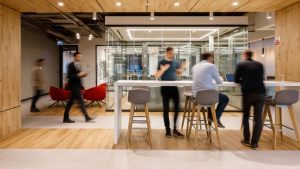
In a hybrid world, one of the primary reasons people come to the office is team interaction. Therefore, collaboration-oriented spaces form the "heart" of the modern office.
In successful offices, you will find:
These spaces encourage spontaneous brainstorming and faster decision-making processes.
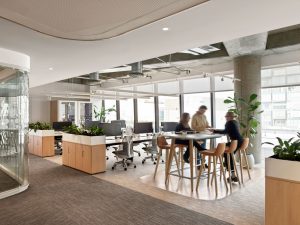
Communication doesn’t just happen in meeting rooms. Daily "watercooler" chats, quick exchanges of ideas, and rapid feedback loops are just as valuable as formal meetings.
Offices that meet this need offer:
This makes interaction feel more natural and continuous.
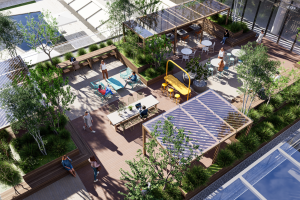
Productivity isn't just about working hard; it’s about knowing when to rest. Today’s offices must allow employees to mentally recharge through short breaks.
These areas are typically designed as:
This approach reduces stress levels while simultaneously boosting creativity.
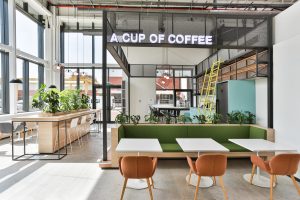
The most important—and often overlooked—role of the office is bringing people together. Especially in the hybrid era, the motivation to commute is largely driven by the need for social connection.
Successful offices fulfill this via:
These areas build a strong sense of belonging and make the company culture physically tangible.
Modern office design is moving away from the "same space for everyone" approach toward a multi-layered structure that responds to diverse needs.
A successful office:
Offices that balance these five needs don't just create more productive workers; they create more attractive, livable, and sustainable work environments.


